

Products
BBG70
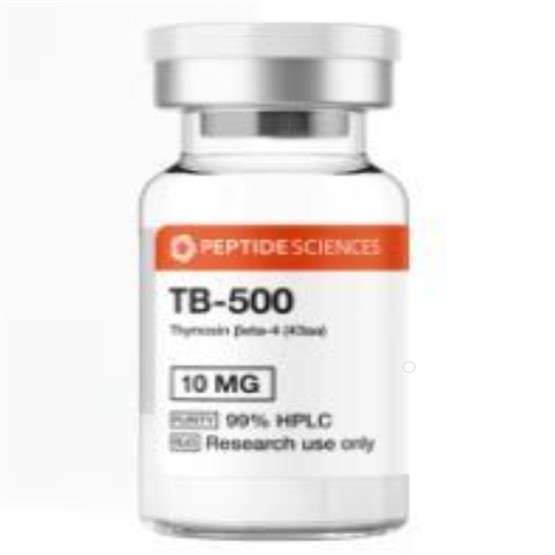
Basic Info. BPC-157 or Body Protection Compound 157, is a synthetic peptide composed of 15 amino acids. It is derived from a protective protein found in the human gastric juice and has been widely studied for its potential therapeutic properties. BPC-157 is known for its regenerative capabilities, with research suggesting its role in promoting healing across various tissues, including muscles, tendons, ligaments, and even the gastrointestinal tract inflammatory diseases. This peptide has gained attention in scientific and medical communities due to its wide-ranging biological effects and potential applications in treating injuries, chronic conditions, and inflammatory diseases. TB-500 is a 43 amino acid peptide sequence. In animal models, Thymosin Beta-4 has been shown to improve blood vessel growth, regulate wound healing, decrease inflammation, and reduce oxidative damage in the heart and central nervous system. Thymosin-beta-4 has a role in protection, tissue repair, regeneration and remodeling of injured or damaged tissues. ...
Read more
PIN5/PIN10/PIN20
Basic Info. Pinealon is a tripeptide composed of glutamic acid, aspartic acid, and arginine. It exerts neuroprotective effects by inhibiting the accumulation of reactive oxygen species and the activation of ERK1/2 And can stimulate the functional activities of the main cellular components of brain tissue and reduce spontaneous apoptosis. ...
Read more
MGF
Basic Info. MGF (Mechano Growth Factor) is a splice variant of insulin-like growth factor-1 (IGF-1). Research reveals it to have positive effects on tissue growth, wound healing, cardiac repair, and skeletal muscle repair. There is good evidence to indicate that MGF improves muscle repair following injury and boosts recovery times following exercise or injury. MGF may even protect vulnerable tissue ag ainst mechanical stresses such occurs during running, weight training, and repetitive motion. ...
Read more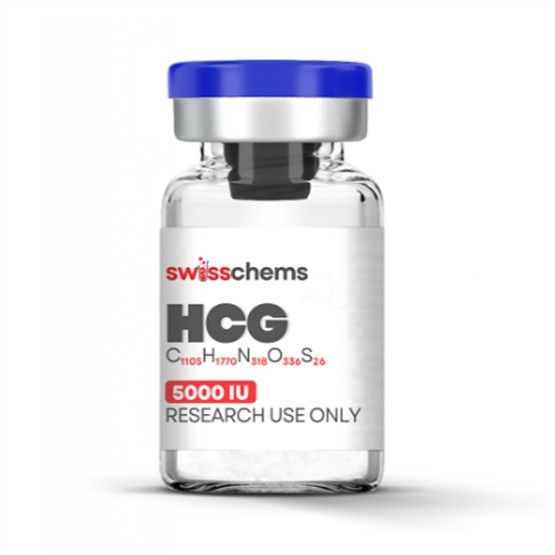
HCG
Basic Info. Human chorionic gonadotropin (hCG) is a glycoprotein hormone secreted by the trophoblast cells of the placenta. Its main function is to stimulate the corpus luteum, which is conducive to the continuous secretion of estrogen and progesterone to promote the formation of uterine decidua and the growth and maturation of the placenta. Once the embryo implants, the trophoblast cells will begin to secrete hCG, so pregnancy can be judged by the hCG value in the blood or urine. ...
Read more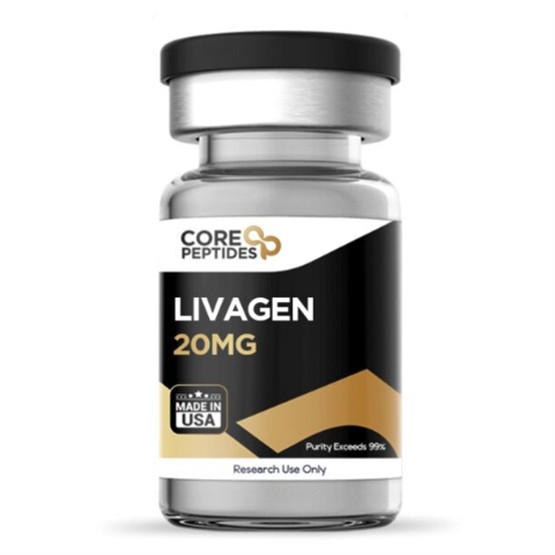
Li20
Basic Info. Livagen is a tetrapeptide bioregulator with demonstrated effects on liver health, particularly in the context of aging and liver regeneration. It has been shown to stimulate protein synthesis in liver cells, even in those from older animals, potentially restoring the intracellular circadian rhythm of biosynthesis. Additionally, Livagen may support the body's natural detoxification processes by enhancing liver function. ...
Read more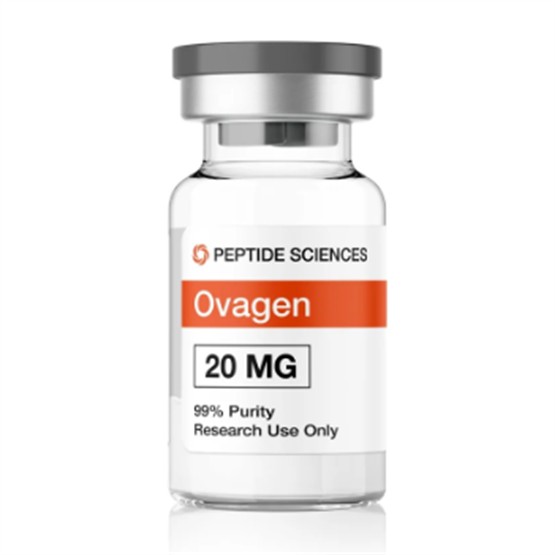
Ov20
Basic Info. Ovagen is a tripeptide bioregulator, a short-chain peptide, primarily used for its effects on the liver and gastrointestinal tract. It's known for its ability to normalize liver function, protect the GI tract from damage, and potentially have anti-aging effects in these areas. Additionally, there's interest in its potential to inhibit HIV replication. ...
Read more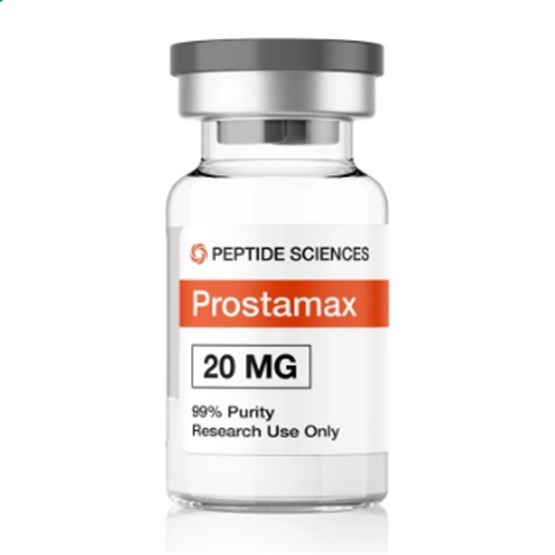
max20
Basic Info. Prostamax is a synthetic Khavinson bioregulator peptide with profound effects on DNA condensation in a number of cells. While it is primarily of interest for its anti-aging and anti-inflammatory effects on the prostate, Prostamax has also been shown to optimize function of a number of cells within the body (e.g. lymphocytes) by altering epigenetic controls on DNA. ...
Read more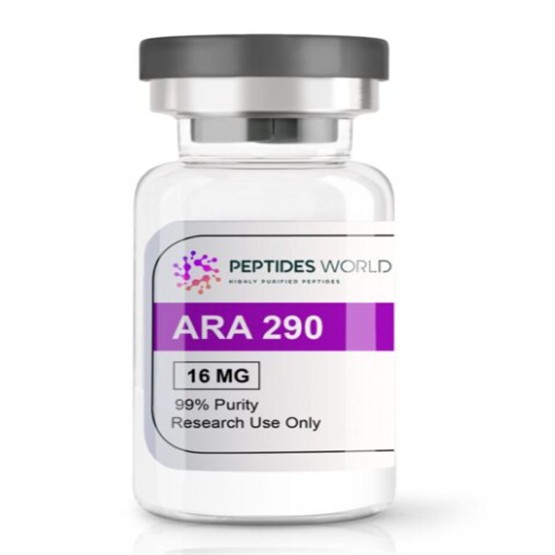
RA10
Basic Info. ARA-290, also known as cibinetide, is a non-hematopoietic peptide derived from erythropoietin. It's designed to activate the Innate Repair Receptor (IRR) and reduce inflammation by inhibiting the production of pro-inflammatory cytokines like TNFα. ARA-290 has shown promise in preclinical and clinical studies for treating conditions like type 2 diabetes, neuropathy, sarcoidosis, and age-related frailty. ...
Read more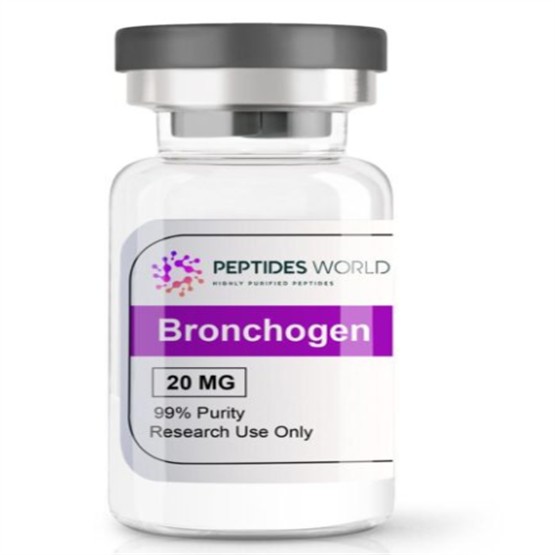
Br20
Basic Info. Bronchogen is a peptide that shows promise in supporting respiratory health, particularly for conditions affecting the bronchi. Studies suggest it may help reduce inflammation, promote tissue repair, and improve lung function in diseases like bronchitis, asthma, and COP D. ...
Read more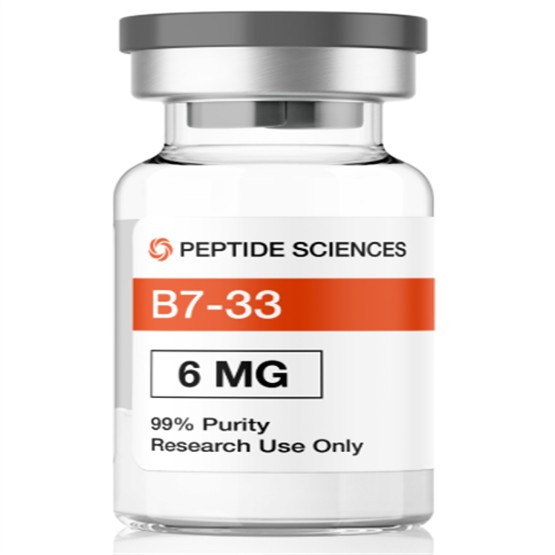
B7-33
Basic Info. B7-33 is a novel, synthetic compound that was first discovered and developed by a team of researchers at the Monash University in Australia. The development of B7-33 was based on the discovery of the relaxin receptor 1 (RXFP1) and the recognition of its potential as a therapeutic target for a wide range of diseases and conditions. The research team, led by Professor David Handelsman, first synthesized B7-33 in the early 2010s as part of their efforts to develop a functionally selective agonist for RXFP1. This compound was then tested in a series of in vitro and in vivo studies, which demonstrated its potential as a treatment for hypertension, kidney disease, and heart failure. The team's research on B7-33 was published in several scientific journals, including the Journal of Biological Chemistry and the Journal of Hypertension. These publications highlighted the compound's unique mechanism of action and its potential as a treatment option for patients. ...
Read more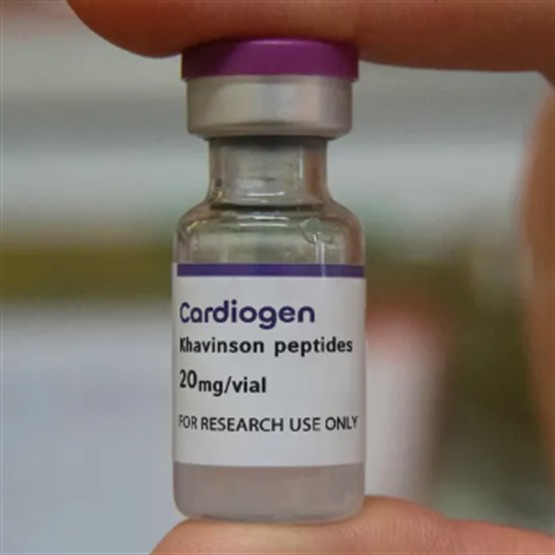
Ca20
Basic Info. Cardiogen peptide likely refers to cardiac peptides, which are proteins secreted by the heart and blood vessels. These peptides play a crucial role in maintaining cardiovascular health and can be involved in the development of heart failure. Specifically, natriuretic peptides like atrial natriuretic peptide (ANP) and B-type natriuretic peptide (BNP) are key cardiac peptides, and their levels can be measured in blood to help diagnose and monitor heart failure. ...
Read moreTotal:7 page, with 76 products
Join Our Mailing List
For receiving our news and updates in your inbox directly.

Adhering to the service tenet of "Integrity, Innovation, Harmony, and Win-win", We have established a complete one-stop procurement and comprehensive solution service system.

Need Help?
Free Consultation


